Abuse isolates. The first step toward safety is a trusted voice that says, I believe you, and you are not alone. How our helpline referrals save lives.
Abuse survives in silence. It depends on a woman believing she is alone, that no one will believe her, that what is happening is somehow her fault. The first act of resistance is often a single sentence spoken to a trusted voice: I need help. That sentence is the hardest many women will ever speak, and it is the most important. Everything that follows, the safety, the healing, the rebuilding, begins with the courage to break the silence, and the presence of someone trustworthy to receive the breaking. We exist to be that presence, and we do not take the responsibility lightly.
Our program exists to be that voice. We are not a shelter, and we are clear about that. What we are is a trusted first point of contact, a place where a woman can speak without judgment and be connected, warmly and confidentially, to the crisis lines, shelters, and emergency services that can protect her. The clarity about what we are and are not is essential, because a woman in crisis needs to know exactly what she is reaching for. We do not overstate our capacity. We do not promise what we cannot deliver. We promise what we can, and we deliver it without fail: a believing ear, a warm hand, and a connection to the help that can keep her safe.
The warmth matters. A cold referral, a phone number handed over without care, can feel like another door closing. We walk with women through the call. We stay on the line. We follow up. The difference between a referral and a lifeline is often a human being who refuses to let go. We have learned that the women who reach us have often been let down by systems that treated them as cases rather than people, and the experience of being treated as a person, at the moment of greatest vulnerability, is itself a form of healing that no referral can substitute for. We are the warmth before the system, and the warmth is what makes the system bearable.
We train our responders carefully. The training is less about information than about posture, the posture of believing a woman before she has proven her story, the posture of not asking why she stayed, the posture of not requiring her to perform her suffering to earn our help. These postures are counter to the instincts many of us were raised with, and the training exists to interrupt those instincts. A woman who reaches out and is met with suspicion will not reach out again, and the not reaching out again is, too often, the difference between life and death. We train our responders as if lives depend on it, because they do.
Confidentiality is the foundation of everything. A woman will speak only if she trusts the speaking will go no further than she chooses. We hold that trust as sacred. We do not share her story, her name, or her circumstances without her explicit consent, and we explain the limits of confidentiality clearly at the outset, so that she knows exactly what she is sharing and with whom. The clarity is part of the safety. A woman who knows the boundaries can speak freely within them, and the freedom to speak is the beginning of every other freedom that follows.
We also recognize that the moment of reaching out is not the end of the danger but often the beginning of the most dangerous phase. Leaving is when the violence escalates, and the woman who has found the courage to call needs more than encouragement. She needs a plan, and she needs practical help to execute it. We coordinate with shelters and partner organizations to ensure that the handoff is warm and the gap between reaching out and reaching safety is as small as we can make it. We cannot eliminate the danger. We can reduce the isolation that makes the danger deadliest, and we do, every day, with the resources we have.
We do not pretend this work is easy or that it always ends cleanly. Some women return. Some need several attempts. We do not judge. We stay. The door does not close because a woman was not ready the first time. We have learned that the journey out of abuse is rarely linear, and that a woman who returns is not a failure but a woman who needs more support than the moment allowed. We offer that support without limit, without judgment, and without expiration. The door is open as many times as she needs to walk through it, and we will be there, every time, with the same believing ear and the same warm hand.
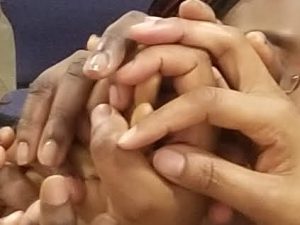
What we know is this: a woman who has a trusted contact, a small amount of practical help, and a plan is far more likely to leave safely and stay safe. That is what we provide. That is what your generosity makes possible. The help is modest in cost and immeasurable in value. A phone call that is answered. A hand that is held. A plan that is made. These small things, at the right moment, save lives, and we are grateful to every person whose support allows us to offer them.
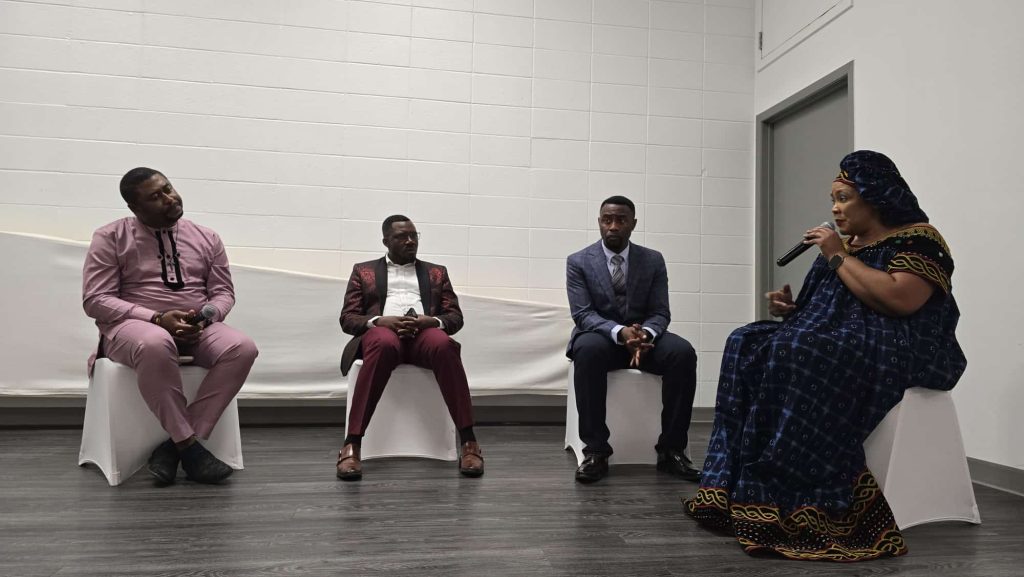
We also do the quieter, longer work of prevention, because the women who never need to call are the women we most hope to reach. We offer education about the signs of abuse, about healthy relationships, about the resources that exist before crisis hits. We speak in communities, in churches, in schools, carrying the message that abuse is never the victim's fault and that help is always available. The prevention work is slow and its results are invisible, but we believe in it deeply, because a woman who knows the signs and the resources before she needs them is a woman who may never need to call us at all, and that is the outcome we most desire.
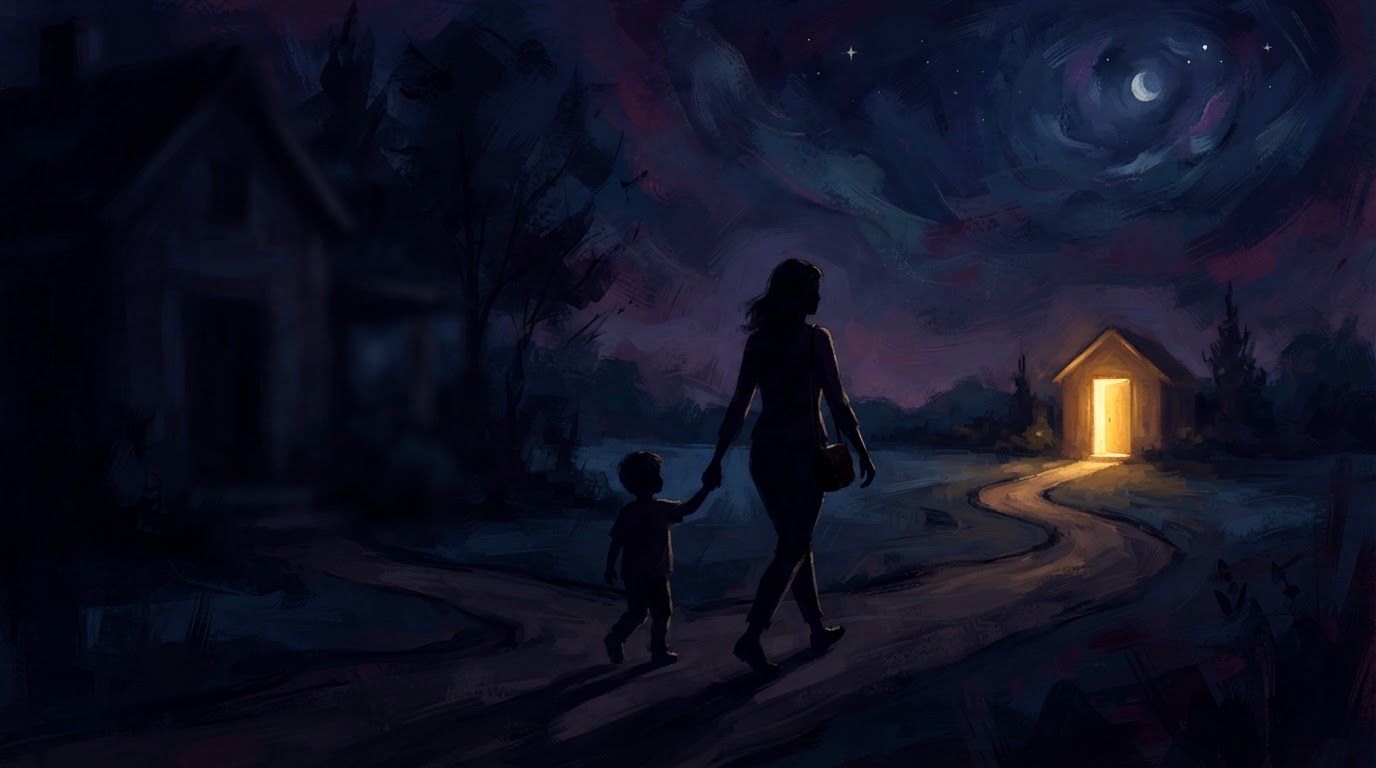
If you are reading this and you need help, you are not alone. Reach out. There are people who will believe you, stand with you, and help you find safety. You do not have to carry this in silence. The number is there. The voice on the other end is trained, is warm, and will not let go. Whatever you are facing, however long you have faced it, however many times you have thought about reaching out and stopped, this is the moment to reach. You are believed. You are not alone. You are worth the help. And the help is waiting for your call.
We have learned that the work of preventing gender-based violence is inseparable from the work of building a culture that believes women. A woman who knows she will be believed is a woman who can speak, and a woman who can speak is a woman who can seek safety. We build the culture of belief, one conversation at a time, in our circles, in our communities, and in the institutions we engage, because we know that the belief is the precondition for the safety, and that the safety is the precondition for the healing.
There is a long tail to this work that we hold with care. A woman who leaves an abusive relationship does not arrive, the next day, at safety and freedom. She arrives at the beginning of a long road of rebuilding, of legal proceedings, of financial recovery, of parenting through trauma, of learning to trust again. We walk with women along the whole road, not only the first mile, because we have learned that the first mile is the most visible but that the miles that follow are where the real rebuilding happens, and the rebuilding is what we are ultimately working toward.
We measure our impact in the women who are safe today who were not safe a year ago, and in the women who will be safe a year from now because of the work we do today. The measurement is imperfect, because we cannot always know which woman, among the many we touch, will be the one whose life is saved by a single conversation or a single referral. We do the work anyway, for all of them, because the one we cannot identify is worth the many we can, and because the belief that every woman is worth the help is the belief on which this entire work rests.
There is a moment in this work that we hold sacred, and it is the moment a woman who has been through our program returns to help another woman who is where she was. The return is the proof that the work has taken root, that the safety we helped her find has become a safety she now offers, and that the cycle of harm has been interrupted by a cycle of care. We have seen the cycle of care grow, year by year, as more survivors become advocates, more advocates become leaders, and more leaders become the voices that reshape the systems that failed them. The growth is slow, and it is beautiful, and it is the truest measure of the work, because a program that produces advocates is a program that will outlast itself, and we are building, in every survivor who returns, the future of a movement that will not end with us.
Written by
CAVIWO Support Team
Contributor to the CAVIWO community sharing stories of hope, resilience, and advocacy.