A new backpack will not end poverty, but it can end the shame a child carries into a classroom. Inside our annual back-to-school drive.
A child walking into school on the first day with a worn, broken bag, or no bag at all, learns a lesson no curriculum teaches: that they do not belong. Our annual back-to-school drive exists to unteach that lesson before it takes root. The lesson is absorbed silently, in the glance at a classmate's new bag, in the way a child holds their own belongings close to hide their condition, in the slow withdrawal from the social life of the classroom that shame produces. By the time a teacher notices, the lesson has often been learned, and unlearning it is far harder than preventing it would have been.
Each August, we gather backpacks, stationery, notebooks, and essentials and distribute them before the school year begins. The supplies matter, but the moment matters more. When a child receives a brand-new backpack chosen just for them, something shifts. They stand a little taller. They walk in a little braver. They begin the year as a participant, not a spectator. We have watched children open their bags with a reverence that reveals how much the gift means, and we have watched parents turn away to hide the tears that come from seeing their child receive what they could not provide. The supplies are practical. The dignity is transformative.
The drive is organized with deliberate care. We do not hand out random bags. We ask families about their children's ages, grades, and preferences, and we match each child with supplies that fit their actual needs. A teenager receives a different kit than a first grader. A child who loves art receives a sketchbook. A child who struggles with math receives extra practice materials. The personalization is more work, but it is the difference between charity and care. A child who receives a bag clearly chosen for them learns that they are seen. A child who receives a generic handout learns that they are a category. We will not settle for the second.
Last year we distributed over five hundred backpacks. Behind each one was a child, and behind each child was a family that had been choosing between school supplies and groceries. We refuse to make any family choose. The cost of a backpack is small compared to the cost of a child who learns, on the first day of school, that they are less than their peers. We have calculated that cost, and we have decided that no family in our reach should pay it. The drive is funded by the generosity of donors who understand that a backpack is not a luxury. It is a child's first lesson in whether the world sees them as worthy.
We also include a note in each bag, written by a volunteer, wishing the child a good year and reminding them that their community believes in them. The notes are small, and the children may not keep them, but we have heard from parents that some children carry them for weeks. A child who has been told, in writing, that someone they have never met is cheering for them carries a different posture into the year. The note costs nothing. The message it carries is priceless. We will never stop including it, because the message is the point, and the supplies are simply the vehicle.
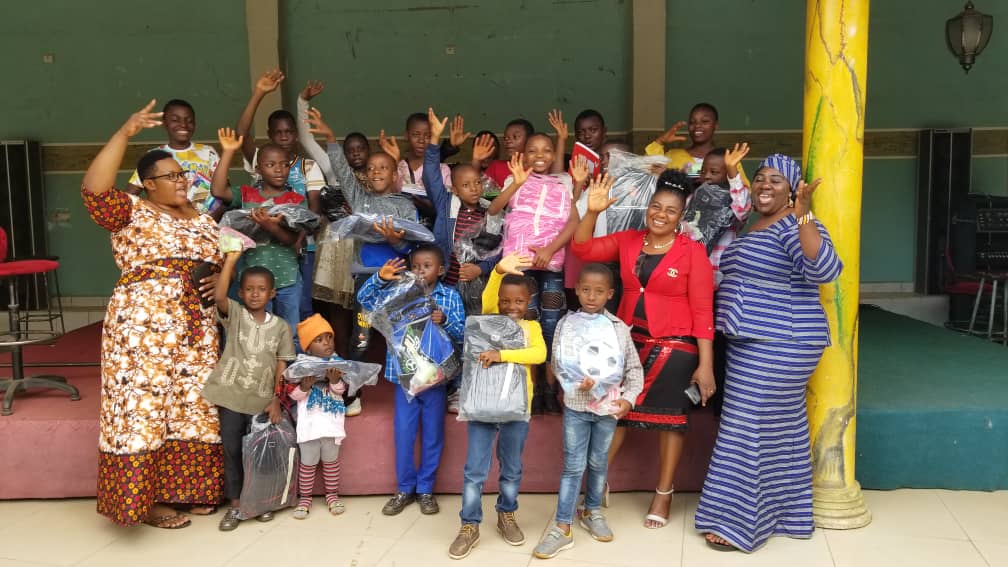
The drive is also a moment of community. Volunteers gather to sort, pack, and distribute. Families come together to receive. Children meet other children who will be their classmates. What could be a transactional handout becomes, through intention, a celebration. We play music. We share food. We take photos of children with their new bags, beaming. The day is designed to be memorable, because a child who remembers the day they were celebrated will carry that memory into every classroom that follows. The supplies will wear out. The memory of being seen will not.
We are honest that the drive does not solve the deeper problems the families face. A backpack does not pay rent. It does not create a job. It does not heal the systemic conditions that make poverty persistent. We know this. We do the drive anyway, because a child's dignity cannot wait for the systems to change, and because a child who begins the year with dignity has a better chance of finishing it. The drive is not a substitute for justice. It is a down payment on a child's belief that they deserve to be where they are.
We have also learned that the drive opens doors to deeper support for the families who receive it. A parent who comes to pick up a backpack often stays to ask about other programs. A conversation that begins with school supplies can lead to enrollment in our capacity-building workshops, our food assistance, or our family support circles. The drive is, in this way, an on-ramp. The backpack is the gift that brings a family into a relationship, and the relationship is what allows us to walk with them through the rest of the year. We design the drive with that possibility in mind.
One child, now in high school, told us she still remembers the backpack she received in grade three. She said it was the first new thing she had ever owned at the start of a school year. She is now a volunteer in the drive, packing bags for children who are where she was. Her story is the full circle we hope for. A child who was given dignity grows into an adult who gives it. That is the return on the drive that no spreadsheet can capture, and it is the reason we will keep doing it, year after year, for as long as there are children who need to know they belong.
The drive is more than charity. It is a declaration that every child deserves to start the year with dignity. A backpack will not end poverty. But it can end the shame a child carries into a classroom, and that is where everything begins. A child who is not ashamed can learn. A child who can learn can grow. A child who can grow can become the adult who breaks the cycle their family has been trapped in. The backpack is small. The chain it can break is long. That is why we carry it, every August, to every child we can reach.
We have learned, over years of running the drive, that the children remember the day far longer than they remember the supplies. We follow up with families months later, and the parents tell us their children still talk about the music, the photos, the feeling of being celebrated. The supplies are consumed by October. The memory of being seen lasts the year, and sometimes, as the high school volunteer reminded us, it lasts a decade. We have come to understand that the drive is not really about backpacks. It is about the message a child receives when a community gathers to celebrate them before the year begins, and the message is that they matter, that their education matters, and that there are people who will invest in their beginning because they believe in their ending. That message, received at the start of a school year, can carry a child through the hardest months that follow, and we send it every August with the conviction that it will be received.
There is a logistical detail we have refined over the years that we are quietly proud of. We deliver backpacks to families who cannot attend the distribution day, because we learned that the families most in need were often the ones least able to come. A single mother working a Saturday shift, a family without a car, a parent dealing with illness, these were the families whose children needed the drive most, and they were the ones missing it. So we began delivering, quietly, to homes and shelters, so that no child in our reach was absent from the dignity the drive provides simply because their family could not be present. The delivery is more work. It is worth every mile, because a backpack delivered to a doorstep carries the same message as one handed over at a celebration, and the child who receives it learns the same lesson, that they are seen, that they belong, and that their community will go the distance to make sure they start the year with their head up.
We dream of a day when the drive is no longer necessary, when every family can provide for their child's start of school without help. We work toward that day through every other program we run, because a family that is economically stable does not need our backpacks. But until that day arrives, and it is not soon, we will show up every August with bags, notes, music, and the conviction that no child should begin a school year believing they are less. The drive is a bridge between the world as it is and the world as it should be, and we will keep building it, one backpack at a time, for as long as there are children on the wrong side of the gap, because the children are worth the crossing, and the crossing is the work we are honored to do.
Written by
CAVIWO Volunteer Team
Contributor to the CAVIWO community sharing stories of hope, resilience, and advocacy.