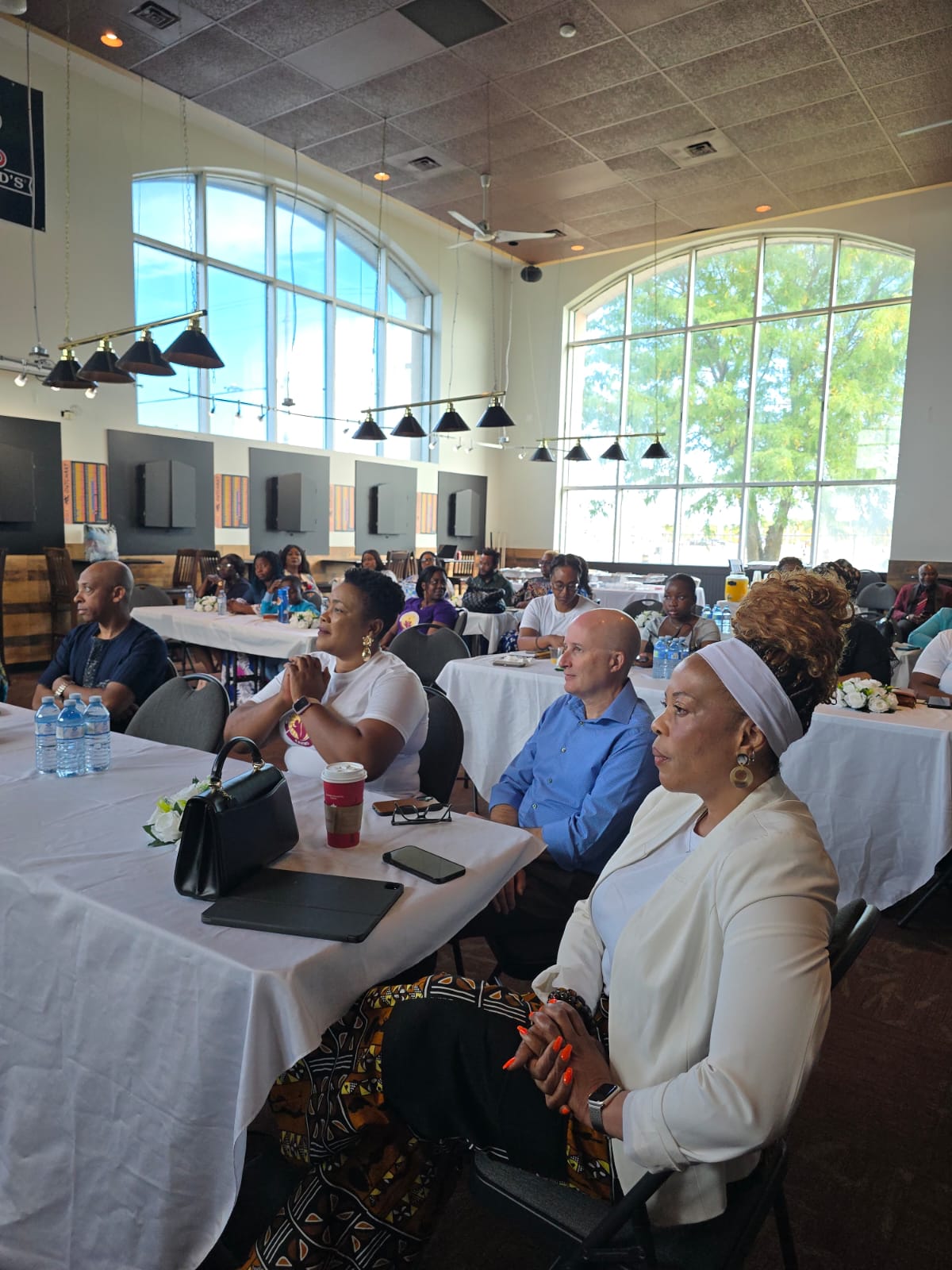
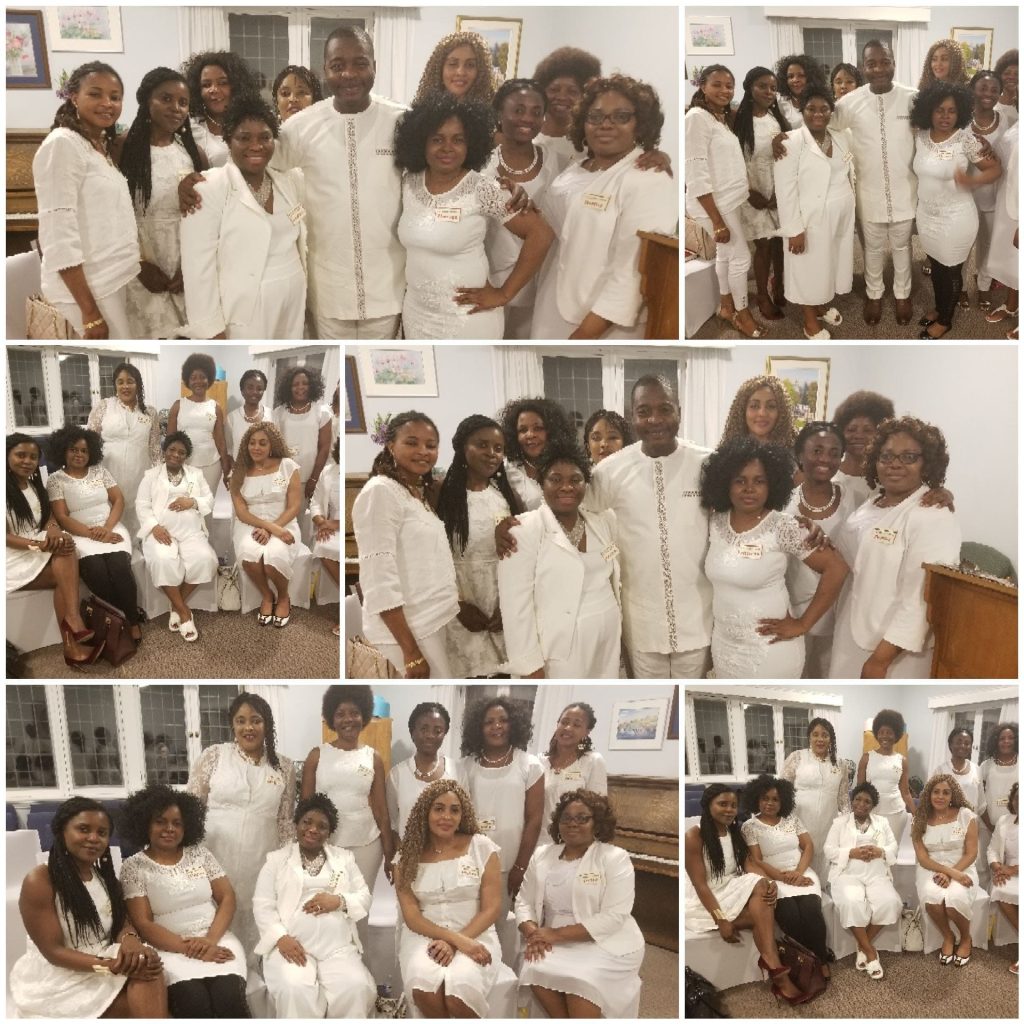
On April 7, 2018, Canada Virtuous Women (CAVIWO) launched the first edition of Girls Talk in Ottawa, a safe gathering where immigrant women could speak openly about the challenges they face. Pastor Benjamin Mua of New Life International Gospel Center led a Biblical conversation on marriage and the unique pressures immigrant women experience abroad.
On April 7, 2018, Canada Virtuous Women (CAVIWO) hosted the very first edition of Girls Talk, a gathering that has since become one of the organization's most cherished traditions. The concept was simple and powerful: create a space where girls and women could gather and talk openly about anything and everything that was bothering them. No agenda imposed from above, no topics declared off-limits, just a room of women ready to listen to one another and to be heard. That first afternoon in Ottawa set the tone for every Girls Talk that followed, and its success confirmed that the community had been waiting for exactly this kind of space.
Girls Talk was born from a recognition that many women, especially immigrant women, carry questions they rarely get to ask out loud. Between work, family, faith, and the quiet work of building a life in a new country, there is seldom a moment set aside for honest conversation. The first edition of Girls Talk created that moment. Women arrived with concerns they had held privately for months, sometimes years, and found that the simple act of voicing them in a room of peers brought immediate relief. The gathering was not a lecture. It was a conversation, and the conversation was the point.
To ground the discussion, CAVIWO invited Pastor Benjamin Mua, the lead pastor of New Life International Gospel Center, to speak to the women from a Biblical perspective and to answer their questions directly. Pastor Mua brought to the room a rare combination of pastoral wisdom and cultural understanding, and the women responded to it. His presence gave the gathering a foundation of faith without turning it into a sermon, and the women felt free to ask the questions that mattered most to them, knowing the answers would come from someone who understood both the Scripture and the immigrant experience.
A central theme of the afternoon was a question many of the women had been carrying in silence: why do immigrant women face so many more challenges in their marriages abroad than they did back in their home countries? It is a question that touches on culture, identity, isolation, and the profound disorientation of building a life far from the support systems that once held a family together. Pastor Mua addressed it with honesty and care, naming the real pressures that migration places on a marriage and offering Biblical guidance on how couples can navigate them together. The women listened intently, and many recognized their own stories in the conversation.
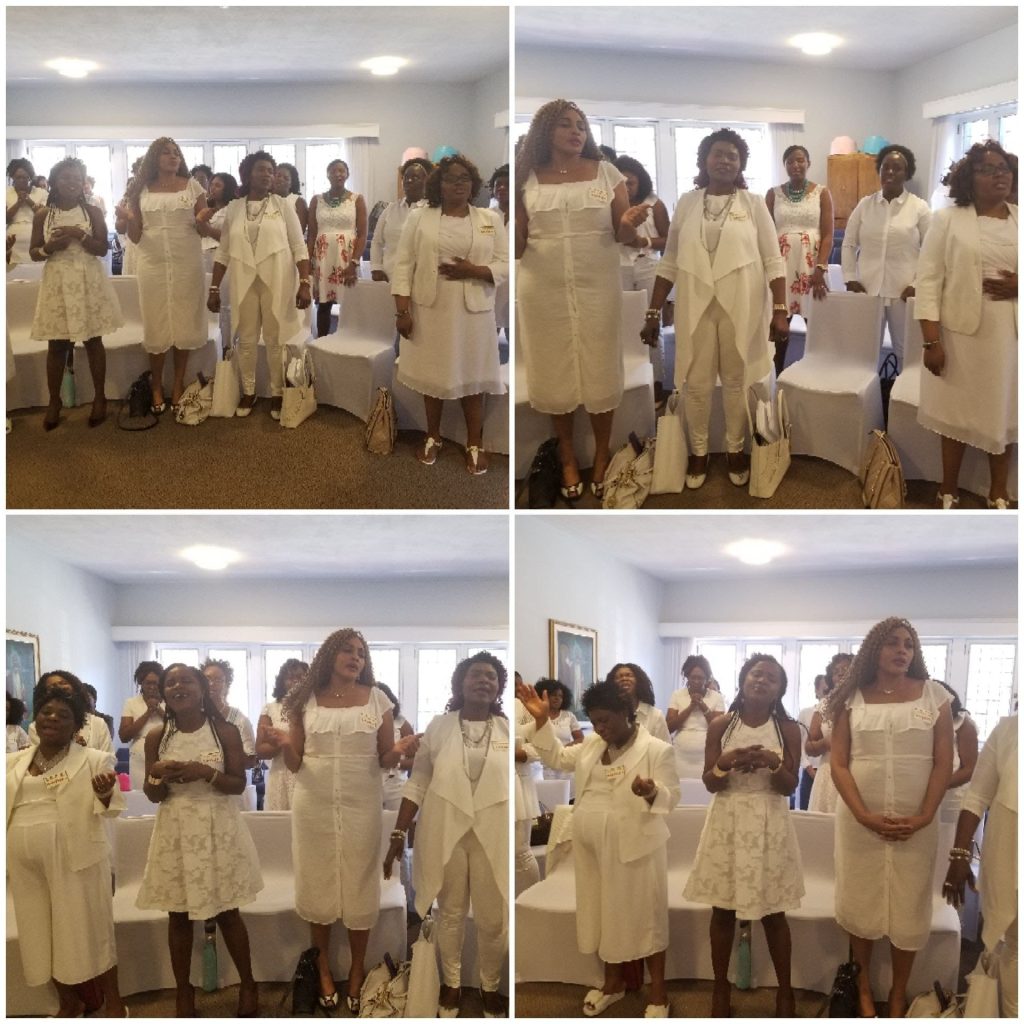
The discussion explored the ways migration reshapes the roles and expectations within a marriage. Back home, extended family, community elders, and shared cultural norms often provide a quiet scaffolding that supports a couple through difficulty. Abroad, that scaffolding is largely absent. A husband and wife who once had a village behind them now have only each other, and the strain of that isolation can surface in ways neither partner anticipated. Pastor Mua spoke to this reality without judgment, helping the women see that the challenges they faced were not signs of failure but the predictable consequence of building a life in a new land, and that those challenges could be met with patience, faith, and honest communication.
The question-and-answer portion of the afternoon became the heart of the gathering. Women raised concerns about communication breakdowns, about the pressure of raising children between two cultures, about the loneliness that can settle into a marriage when both partners are stretched thin by work and adjustment. Pastor Mua answered each question thoughtfully, drawing on Scripture and on his own experience walking with families through similar seasons. The room was attentive and warm, and the women who had arrived with private worries left with shared understanding and practical guidance they could carry home.
By the close of the afternoon, the response was unanimous. Many of the women had found answers to questions they had carried for a long time, and nearly all of them were already asking when the next edition would take place. That appetite was the truest measure of the first Girls Talk's success. The gathering had not been designed to impress. It had been designed to meet a need, and the need was real. The women left the room not only with answers but with the assurance that there was a community willing to hold the conversation again, and again, until the questions that burdened them had been heard.
The first edition of Girls Talk, held on April 7, 2018, marked the beginning of what would become a defining CAVIWO tradition. It established a format that has carried forward through every subsequent edition: a safe, faith-grounded space where women can speak honestly, where a trusted voice offers Biblical and practical guidance, and where no question is too small or too heavy to be brought into the room. That first afternoon in Ottawa proved that when women are given a space to gather and talk, the gathering itself becomes a form of empowerment, and the conversation becomes the foundation of a stronger, more connected community.
Written by
CAVIWO Leadership Team
Contributor to the CAVIWO community sharing stories of hope, resilience, and advocacy.